

PATHWAYS TO PEACE
Addressing Critical Challenges Facing Western Institutions
June 10, 2026 | The Milken Center | Washington, DC
Sponsored by: The Culture for Peace Institute
WATCH THE TALKS
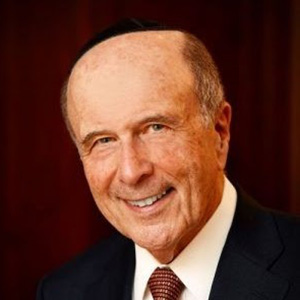
Martin Oliner (Video | With transcript)
Summary: Oliner opens the conference by thanking the Milken Center and framing the Culture for Peace Institute’s mission as “building a culture of peace” and advancing a better future. He emphasizes that peace does not require universal affection or agreement, but it does require recognizing peace as a goal in itself. He previews the day’s major themes: global cooperation, religious leadership, higher education, immigration, energy independence, antisemitism, and the post-October 7 challenge of continuing to pursue peace.
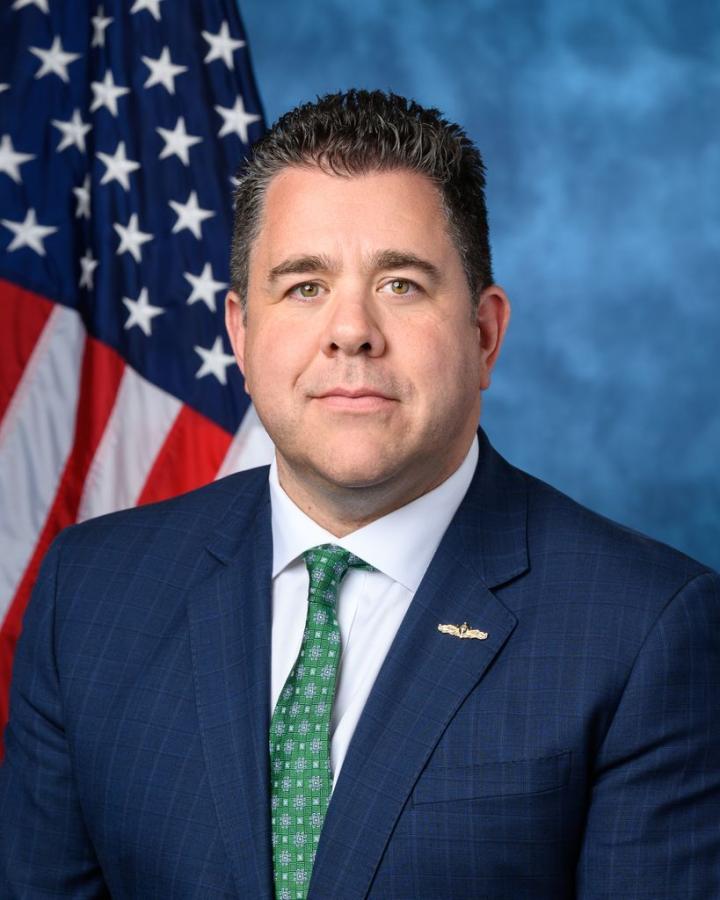
Congressman Nick LaLota (Video | With transcript | Panel Video | Panel with transcript)
Summary: Congressman LaLota grounds his remarks in public service, national security, and his experience in the Navy, arguing that America’s greatness comes from generations of sacrifice, service, and determination. He stresses the importance of American leadership abroad, support for allies, and the need to confront threats from authoritarian regimes and extremist movements. His remarks connect peace to strength, patriotism, religious freedom, and a clear-eyed understanding of national-security realities.
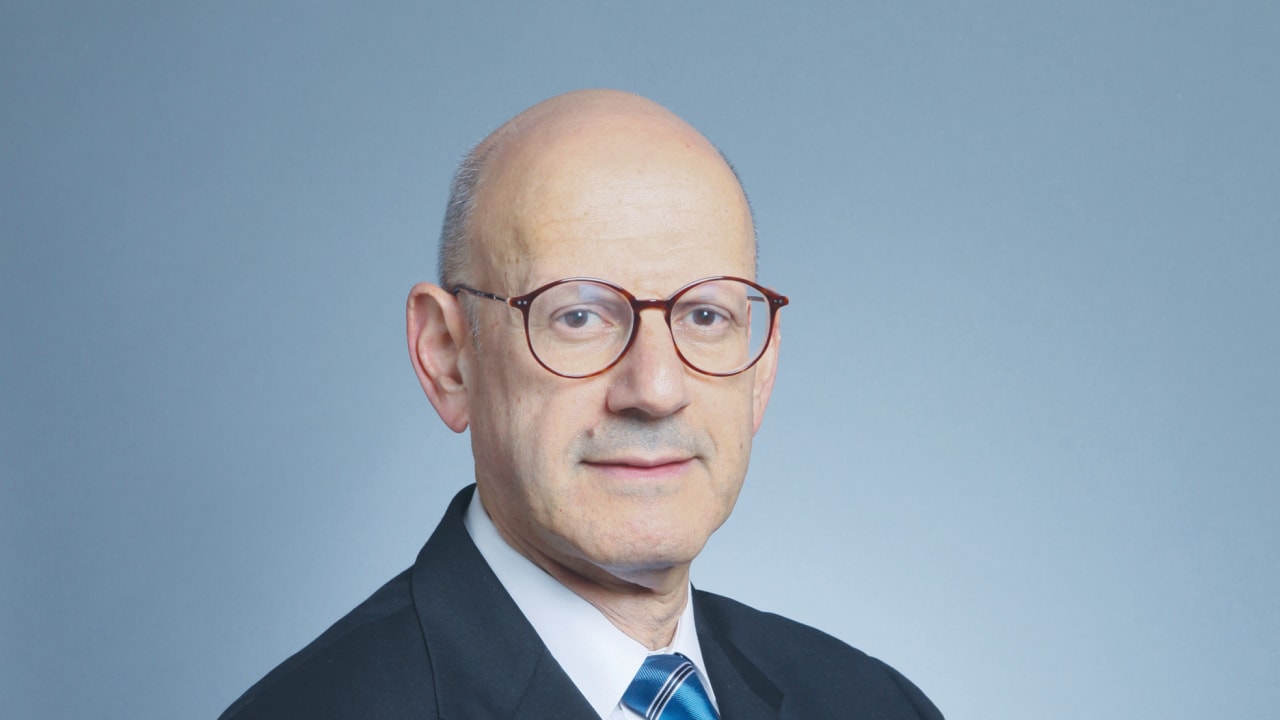
Daniel Mariaschin (Video | With transcript)
Summary: Mariaschin traces the long history of B’nai B’rith’s work supporting American Jewish life, Israel, and the fight against antisemitism. He argues that the campaign against Israel has expanded from BDS and campus activism into media, diplomacy, Congress, social media, and international institutions such as the United Nations. He calls for stronger messaging, better use of technology and AI, broader alliances beyond the Jewish community, and a reframing from merely opposing antisemitism toward affirming the value of Jewish communities and Israel.
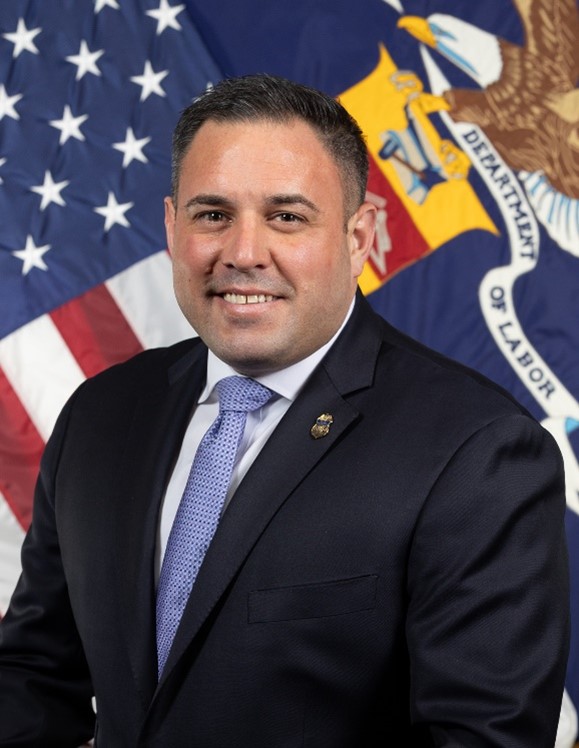
Inspector General Anthony D'Esposito (Video | With transcript)
Summary: D'Esposito connects his background as an NYPD detective, Long Island public servant, and supporter of Jewish communities to the broader theme of sustainable peace. He argues that public service requires doing the right thing even when it is politically difficult, and he stresses that combating fraud, foreign influence, antisemitism, and institutional corruption should be treated as American issues rather than partisan ones. The conversation also touches on education, social media, foreign funding, AI, and the investigative tools needed to address threats to civic trust.
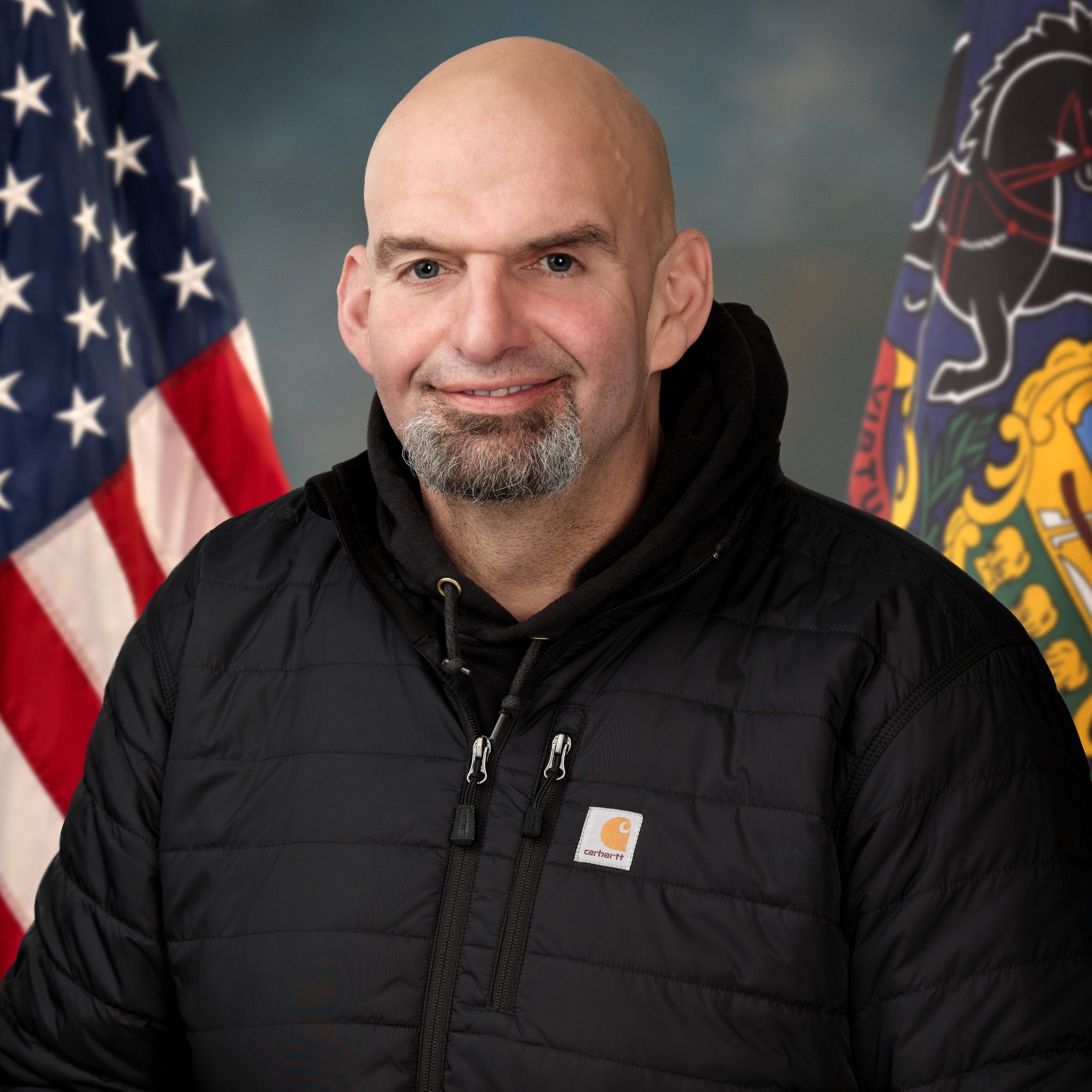
Senator John Fetterman (Video | With transcript)
Summary: Senator Fetterman frames his support for Israel after October 7 as a moral position rather than a political calculation, arguing that Israel’s war against Hamas was justified and that accusations of genocide distort the reality of the conflict. He criticizes what he sees as growing anti-Israel sentiment within the Democratic Party, especially among younger voters and campus-influenced political movements. He also speaks about the courage of Israeli soldiers, widows, and hostages, emphasizing that standing with them is a matter of moral clarity.
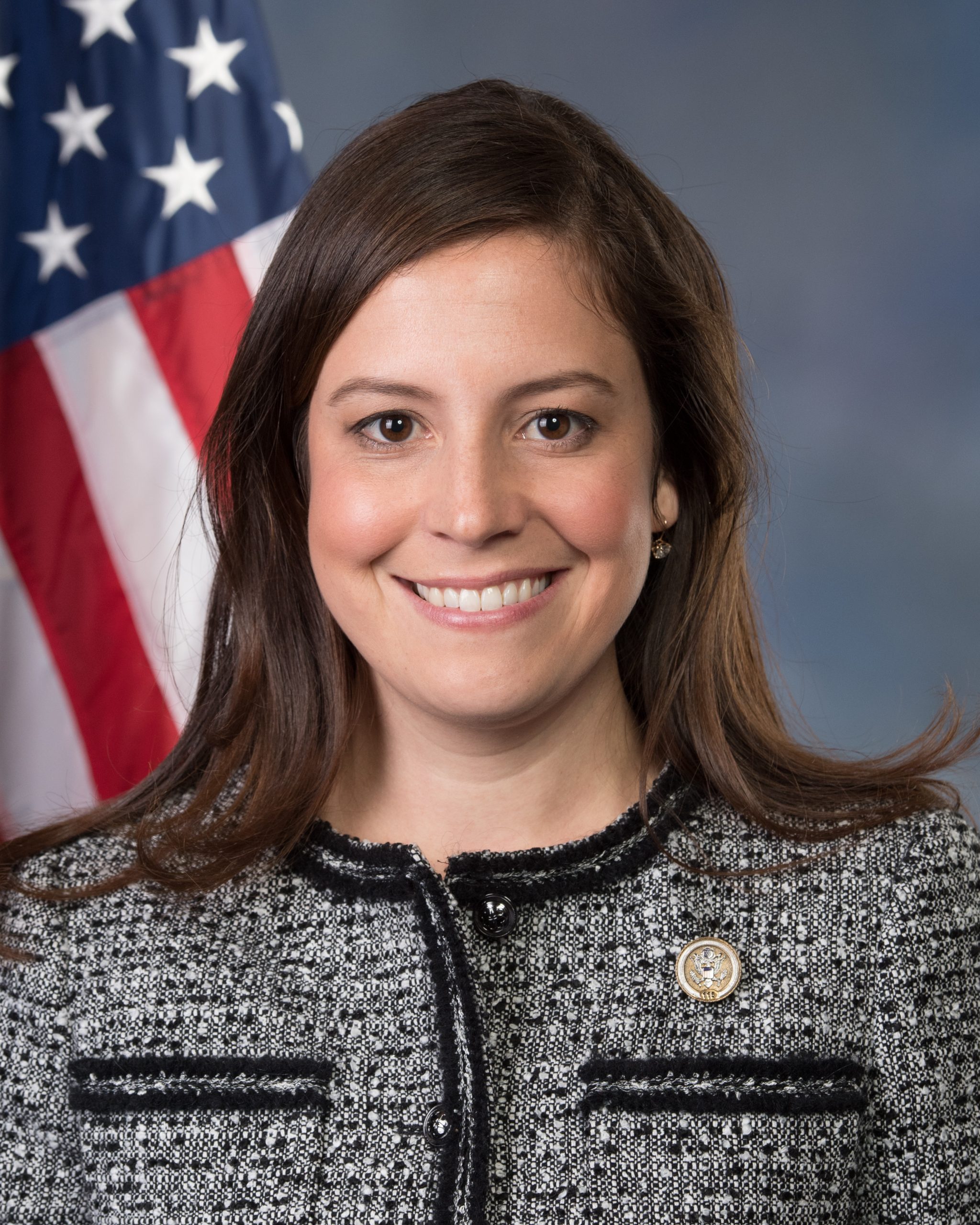
Congresswoman Elise Stefanik (Video | With transcript)
Summary: Congresswoman Stefanik discusses her book Poisoned Ivies and the congressional hearing with the presidents of Harvard, MIT, and Penn, which she presents as a turning point in exposing antisemitism and institutional failure in elite higher education. She argues that the crisis did not appear overnight, but resulted from decades of ideological decay, foreign funding, weak leadership, and failures to protect Jewish students. She calls for accountability, transparency, and long-term reform while also supporting universities that show stronger moral leadership.
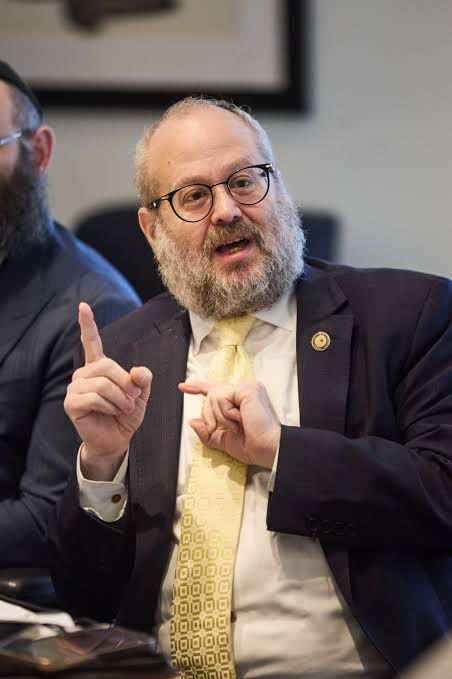
Ambassador Yehuda Kaploun (Video | With transcript)
Summary: Ambassador Kaploun describes his role as action-oriented rather than ceremonial, recounting efforts to respond to antisemitic attacks, protect Jewish communities abroad, and secure concrete commitments from foreign governments. He emphasizes that fighting antisemitism requires law enforcement, education, Jewish pride, Holocaust education, and interfaith diplomacy. His remarks repeatedly return to the need for measurable results: meetings should lead to tangible protections, policy changes, or new partnerships.
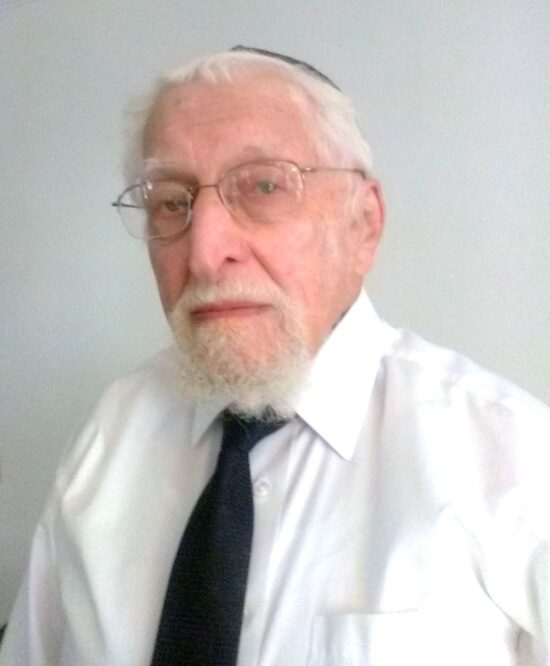
Panel: Dr. Bernard Fryshman & Ambassador Yehuda Kaploun (Video | With transcript)
Summary: This panel centers on the preservation of Jewish cemeteries and historical memory, especially the controversy surrounding a centuries-old Jewish cemetery in Vilnius. Martin Oliner describes the cemetery’s neglect and misuse as a moral outrage, while the discussion highlights the role of Catholic partners, international advocacy, and diplomatic pressure in protecting Jewish heritage. The broader theme is that peace and interfaith respect require tangible action, not merely statements of concern.
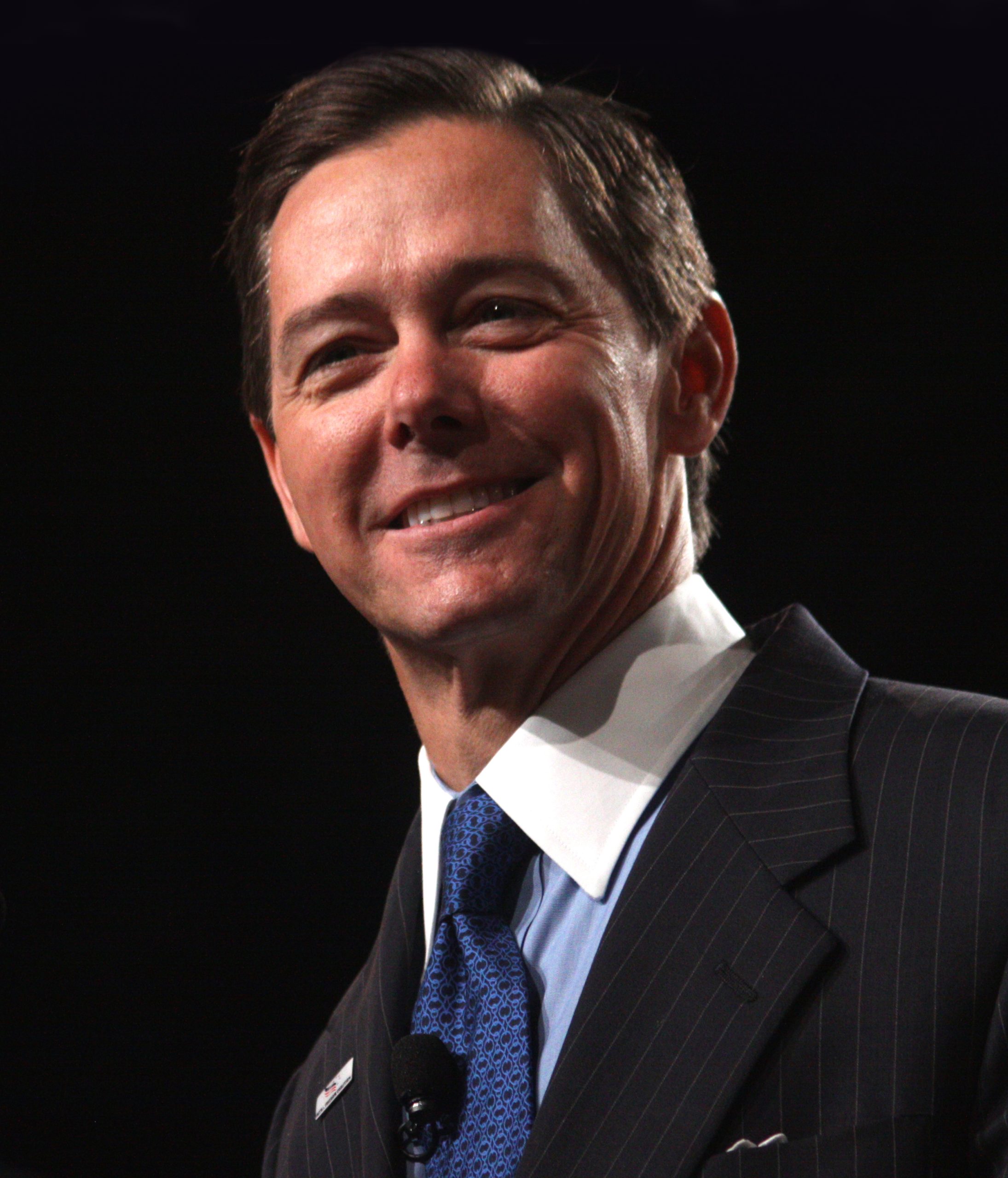
Ralph Reed (Video | With transcript)
Summary: Reed argues that evangelical Christians are among the strongest supporters of Israel, not because of a simplistic end-times theology, but because of a deeper religious, moral, and civilizational commitment to the Jewish people and the State of Israel. He frames antisemitism as part of a broader hostility toward Judeo-Christian values and Western civilization, warning that those who hate Jews often also hate Christians and the God-centered moral order they share. Reed also pushes back against media caricatures of evangelical support for Israel, emphasizing that the relationship is more historically, theologically, and politically complex than critics often suggest.
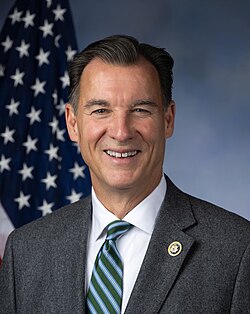
Congressman Tom Suozzi (Video | With transcript)
Summary: Congressman Suozzi argues that American politics has become dangerously polarized, with gerrymandering, cable news, social media, and foreign adversaries all incentivizing division rather than problem-solving. He emphasizes that most Americans are not as extreme as the political system makes them appear, and he calls for renewed bipartisanship, civic trust, and practical cooperation. In the context of the conference, his remarks connect the pursuit of peace abroad with the need to rebuild social cohesion and democratic functionality at home.
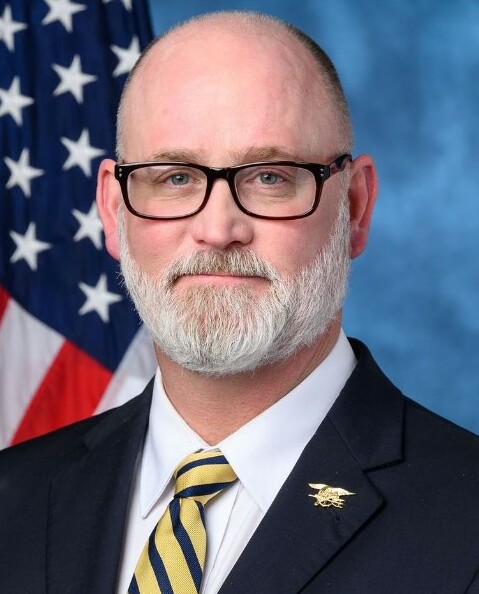
Congressman Derrick Van Orden (Video | With transcript)
Summary: Congressman Van Orden speaks from the perspective of a veteran and Christian supporter of Israel, describing an oath he made to help the Jewish people if another catastrophic attack occurred. He recounts traveling to Israel after October 7 despite pressure to remain in Washington during the Speaker fight, presenting that decision as a matter of faith and conviction. He also discusses outreach to Hispanic Americans, shared values, military service, and the need to call out antisemitism directly.
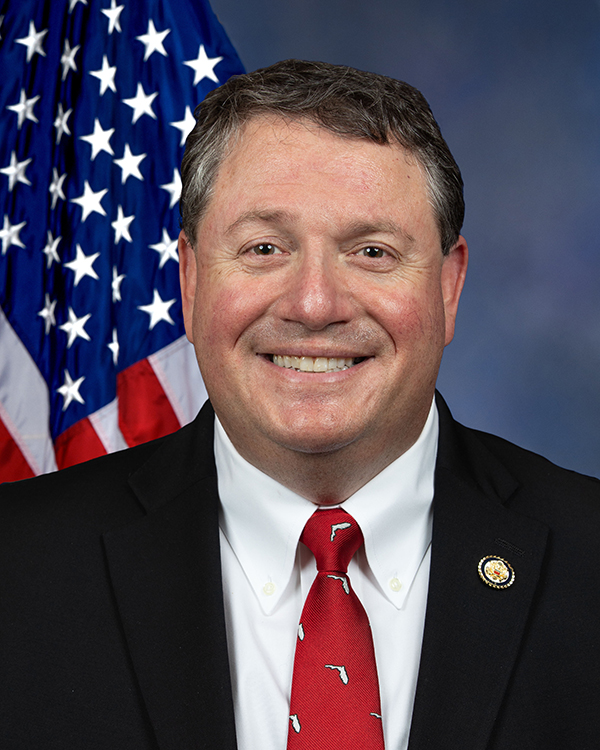
Congressman Randy Fine (Video | With transcript)
Summary: Congressman Fine speaks bluntly about the need for public figures to speak clearly against antisemitism, anti-Israel rhetoric, and threats to American values. He describes his decision to wear a kippah in Congress as a visible act of solidarity meant to help Jewish children feel safe being openly Jewish. His broader message is that Jews and their allies must stop assuming danger will pass on its own and instead fight openly for safety, identity, and the future of Jewish life in America.
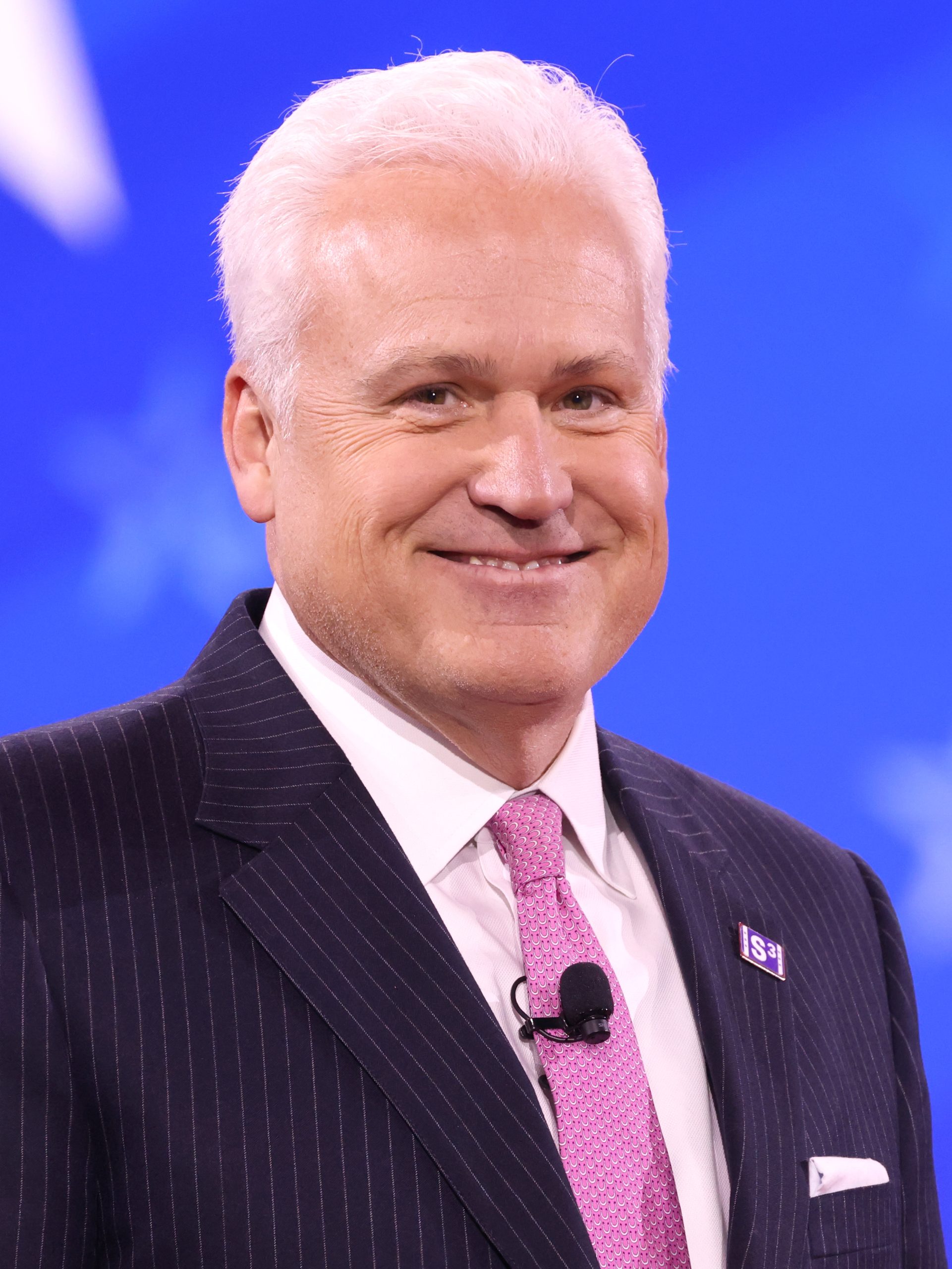
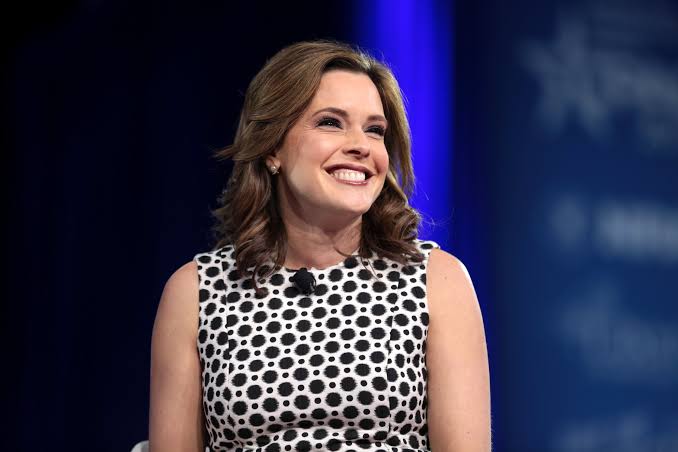
Matthew Schlapp & Mercedes Schlapp (Video | With transcript)
Summary: The Schlapps discuss faith, family, politics, and the importance of passing values to the next generation through example rather than constant political instruction. They describe taking their children to Israel as a formative experience that helped them understand the U.S.-Israel relationship, the threat of antisemitism, and the broader stakes for Western civilization. They also reflect on divisions within the conservative movement, the need to stand by allies, and debates over Iran, foreign policy, and the political future of the MAGA coalition.
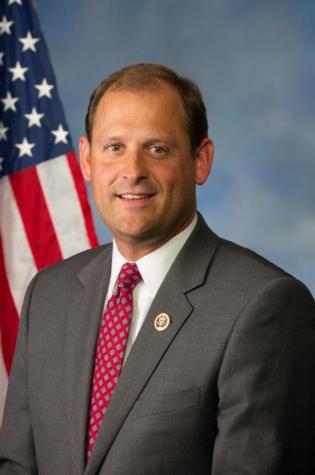
Congressman Andy Barr (Video | With transcript)
Summary: Congressman Barr focuses on the financial and policy tools available to combat antisemitism, especially through oversight of funding streams, sanctions enforcement, and the banking system. He argues that organizations promoting hate or foreign-backed agitation on college campuses often depend on financial networks that federal agencies can monitor or disrupt. He also calls for holding universities accountable when they receive federal benefits while tolerating or enabling antisemitic conduct.
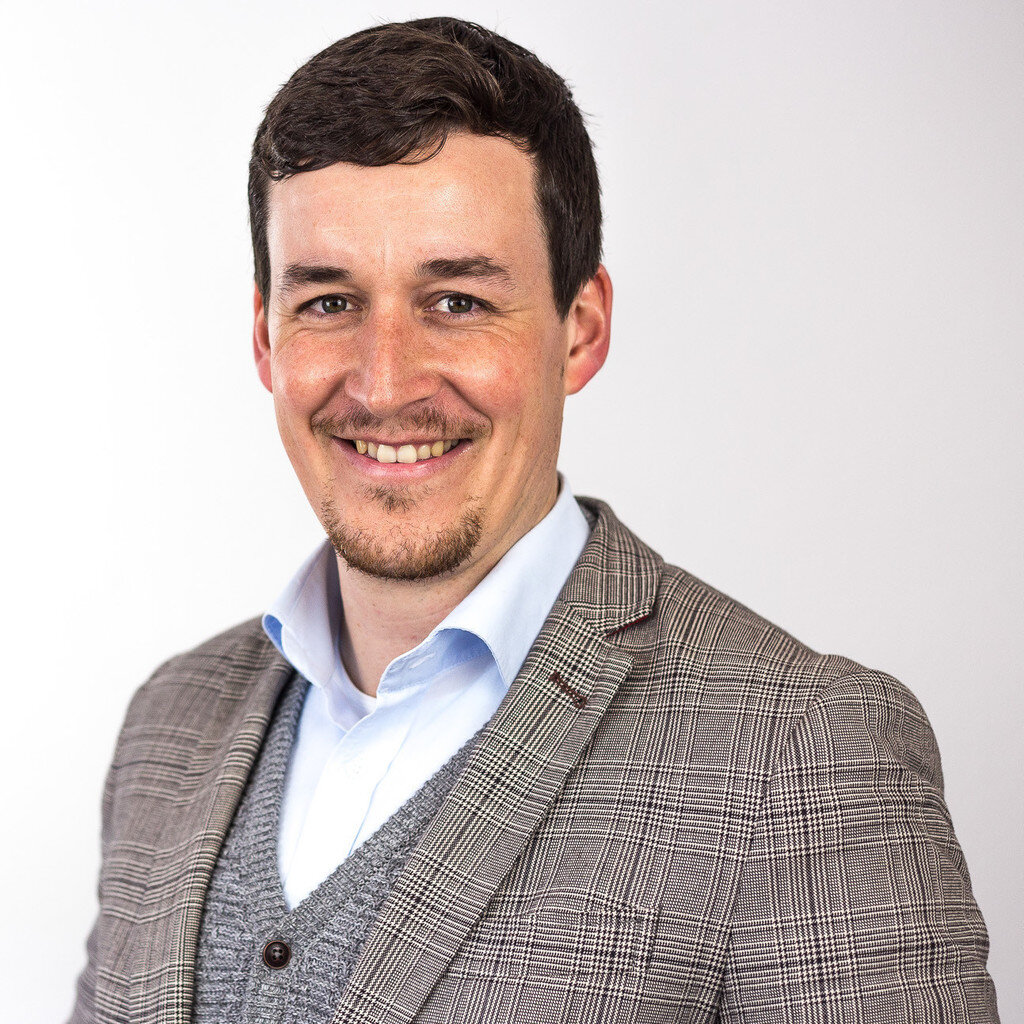
Matthias Boehning (Video | With transcript)
Summary: Boehning presents peacemaking as an active vocation rather than a passive wish, rooted in courage, truth, compassion, and justice. Speaking as a German Christian, he says Germany’s history creates a special responsibility to confront antisemitism, especially as anti-Israel sentiment becomes a modern vehicle for old prejudices. He argues that antisemitism is not only a Jewish or Israeli concern, but a test of the moral health of Western societies.